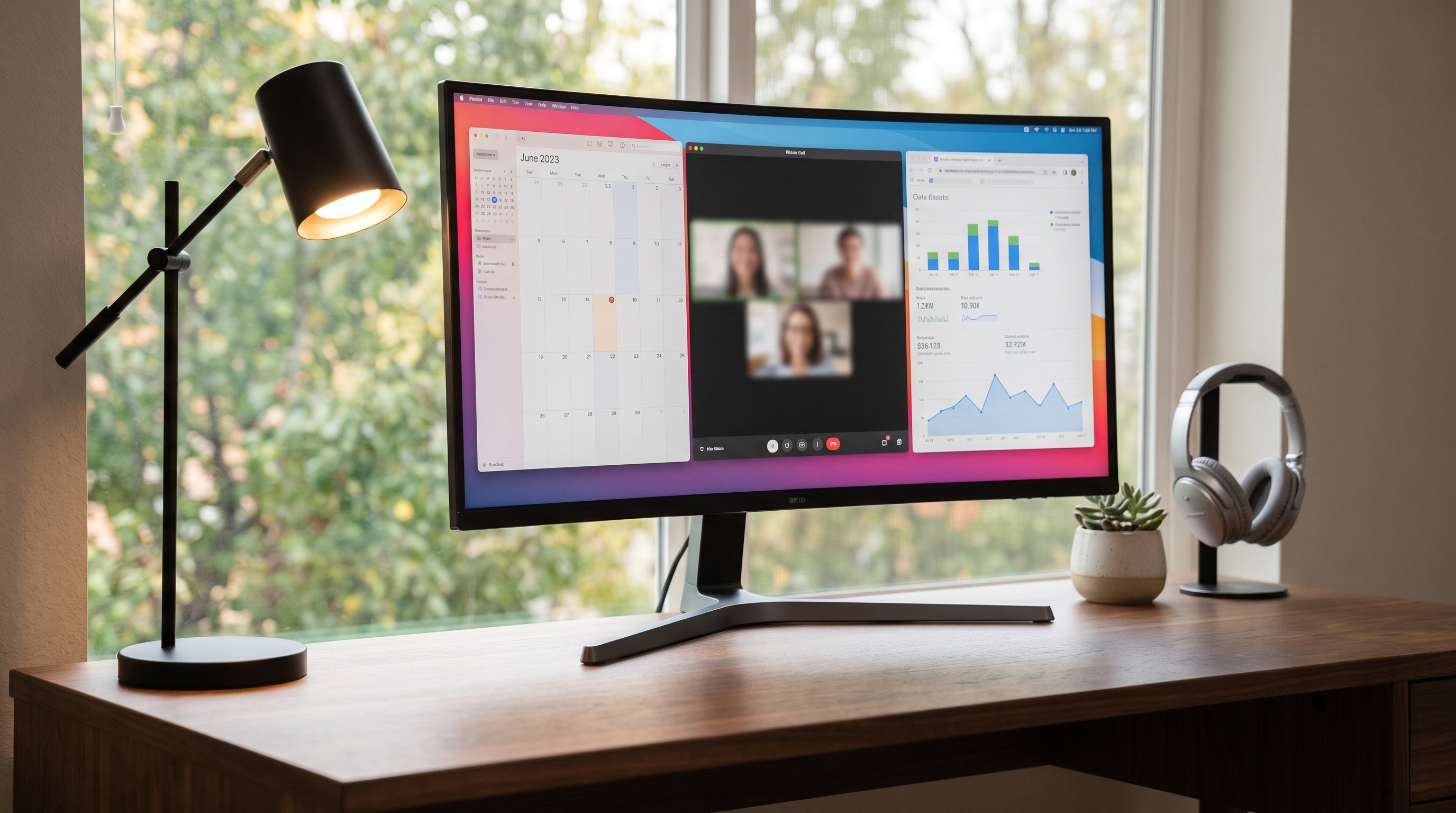
The transition to permanent hybrid and remote work models has delivered undeniable benefits in terms of flexibility, access to talent, and employee retention. However, it has also created a quiet crisis for one specific segment of the workforce: mid-level managers.
Often caught between top-down executive strategy shifts and bottom-up team expectations, managers in a hybrid environment are facing unprecedented levels of coordination fatigue. Without the organic interactions of a physical office, many have defaulted to an exhausting schedule of continuous back-to-back virtual check-ins.
According to an October 2026 workplace velocity survey, mid-level hybrid managers spend an average of 26 hours per week in video meetings, leaving little to no time for deep strategic planning, mentorship, or active execution.
To survive and thrive, hybrid leadership must shift from synchronous meeting-heavy coordination to structured, asynchronous communication systems.
The Cost of Constant Synchronous Syncs
Synchronous communication—such as video calls, phone conversations, and immediate-response instant messaging—is highly effective for creative brainstorming, crisis resolution, or sensitive personal conversations.
However, using synchronous meetings for routine status updates, progress tracking, or simple announcements carries heavy operational costs:
- Continuous Distraction: A 30-minute status call doesn’t just cost 30 minutes; it breaks the focus of every developer, writer, or designer involved, leading to significant context-switching delays.
- Poor Documentation: Decisions made in video meetings are rarely recorded with high precision, which leads to misalignment and duplicated work downstream.
- Time-Zone Inequality: For global teams, synchronous meetings force employees in certain regions to participate during odd, non-professional hours, which accelerates burnout.
The Asynchronous Communication Blueprint
To reduce meeting loads by up to 50% while increasing team alignment and execution speed, hybrid leaders should adopt these three structural frameworks:
A. The Weekly Written Update
Replace the traditional Monday morning “round-robin” status meeting with a structured, written update.
By Friday afternoon, every team member submits a concise, bulleted update using a simple three-field template:
- Progress: What did you ship or complete this week? (With links to the actual work assets).
- Focus: What is your singular high-priority focus for next week?
- Blockers: Are there any dependencies or roadblocks stopping you?
On Monday morning, the manager consolidates these updates into a single, cohesive team brief. This brief is shared asynchronously, allowing team members to digest the information in under five minutes.
B. High-Fidelity Video Snippets
For complex project handoffs, software demonstrations, or design reviews, replace a live meeting with a short, 3-minute recorded screen-share video.
A video walkthrough allows the presenter to articulate their thoughts clearly without interruption. It also allows the viewer to watch the demonstration at double speed, pause to review details, and share the recording directly with other team members who need the context.
C. The “Agreed, Decided, Action” (ADA) Protocol
When a synchronous meeting is absolutely necessary, it must end with a written ADA summary posted to the team’s shared workspace immediately.
- Agreed: What key opinions or directions did the team align on?
- Decided: What specific strategic or tactical decisions were finalized?
- Action: Who is responsible for the next steps, and what is the exact deadline?
By enforcing a culture where “if it isn’t documented, it didn’t happen,” teams build a highly valuable, searchable corporate knowledge base.
The goal of hybrid leadership isn’t to replicate the office environment on a screen. It is to build a more deliberate, organized, and respectful communication system that empowers individuals to do their best work on their own schedule.